



India’s Growth and Its Journey Towards 80 years of Independence!
India's Space Sector: A Launchpad for Global Partnerships
|
Former Ambassador and author |
G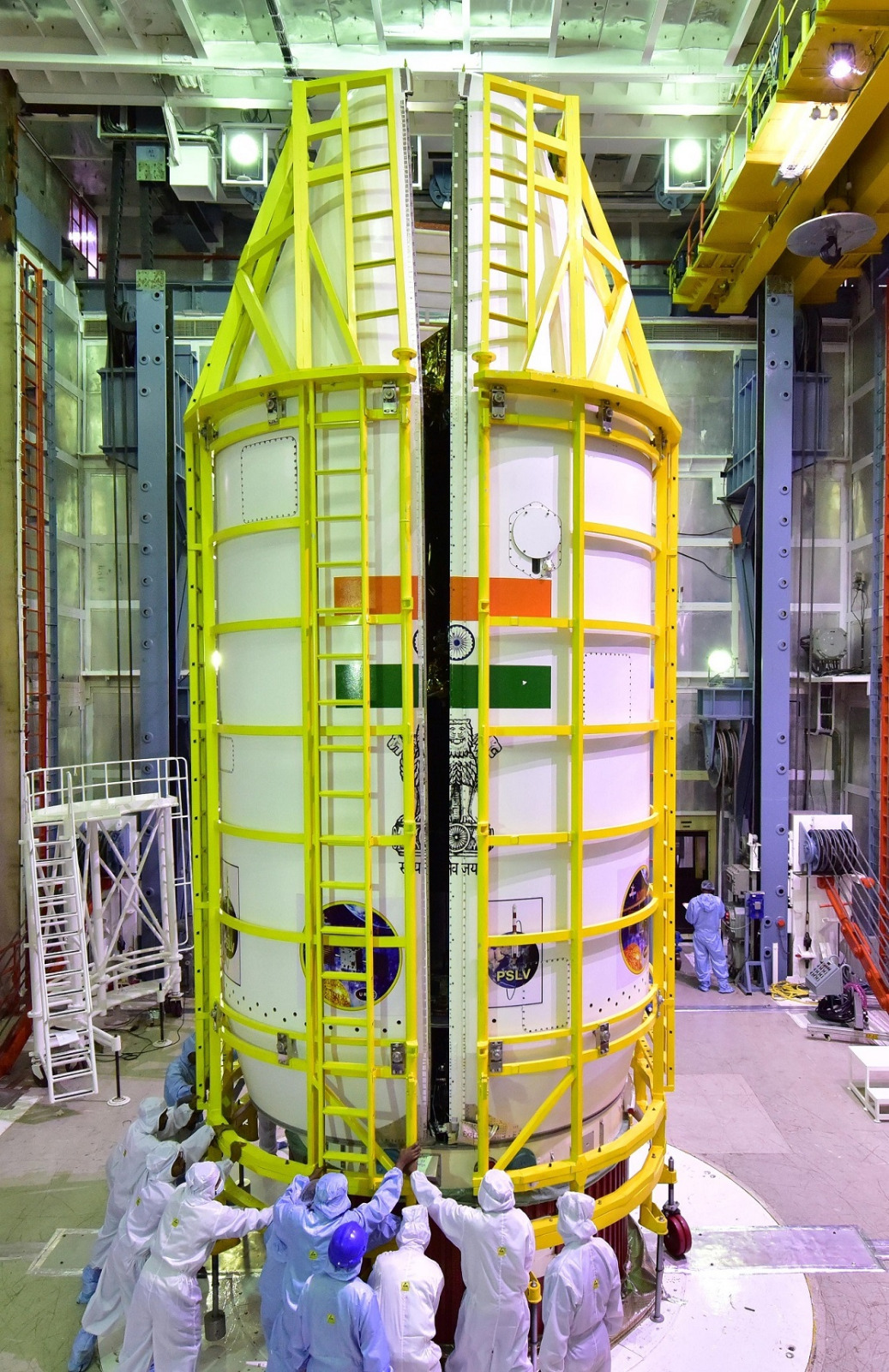 rowing competition in outer space provides India with a unique opportunity to shape a narrative in which collaboration, rather than confrontation, drives space exploration. Recognised as a trustworthy and cost-effective spacefaring nation, India is now well placed to transform its technological advances into enduring international partnerships that contribute to scientific progress, economic growth, and sustainable development.
India's journey into space has been distinctive. Unlike many space programmes that emerged from Cold War rivalries, India's programme was conceived as an instrument of national development. Dr. Vikram Sarabhai anchored India's space vision in practical applications that would improve the lives of ordinary people. Under his leadership, satellites were developed to strengthen communications, weather forecasting, disaster management, healthcare, agriculture and education. This development-oriented philosophy remains central to India's space programme and resonates strongly with the needs of countries in the Global South, which seek practical applications of space technology rather than prestige alone.
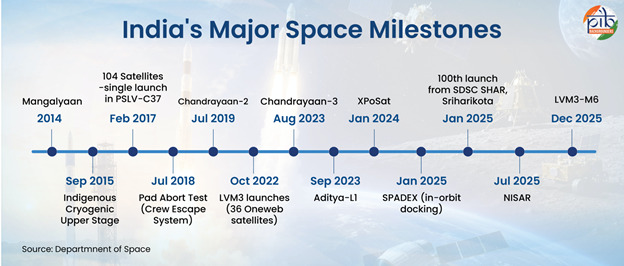
Today, India's achievements extend beyond developmental applications. The Chandrayaan missions, the Mars Orbiter Mission, the Aditya-L1 solar observatory, and the forthcoming Gaganyaan human spaceflight programme have established India as a nation capable of executing sophisticated and reliable space missions. Chandrayaan-3's successful soft landing near the Moon's south pole placed India among an exclusive group of space powers while demonstrating that world-class innovation can be achieved at comparatively modest cost.
India's growing credibility comes at a time when the global space economy is expanding rapidly. Valued at over US$600 billion today and projected to approach US$1.8 trillion by 2035, the sector is increasingly driven by commercial activity in satellite communications, Earth observation, navigation, climate services, broadband connectivity, and emerging fields such as in-orbit servicing and lunar exploration. Many countries aspire to participate but lack indigenous capabilities. They seek dependable long-term partners rather than merely launch providers.
India possesses the capabilities to meet these requirements. The liberalisation of the space sector in 2020 transformed the ecosystem by opening it to private participation. The establishment of the Indian National Space Promotion and Authorisation Centre (IN-SPACe), the expanding commercial role of NewSpace India Limited, and the growth of private enterprises have created one of the world's most dynamic emerging space ecosystems. Indian startups are developing launch vehicles, satellite platforms, geospatial applications and propulsion technologies that are attracting global investment and customers. Companies such as Skyroot Aerospace, Pixxel and Agnikul Cosmos have demonstrated that Indian private enterprise can compete internationally in advanced space technologies.
The next step is to internationalise this ecosystem.
Rather than positioning itself only as a low-cost launch destination, India will offer comprehensive partnerships encompassing satellite design, launch services, mission operations, ground stations, astronaut training, capacity building and downstream applications in agriculture, disaster management and maritime security. Such integrated partnerships would be valuable for countries across the Global South and the Indo-Pacific seeking affordable, customised and reliable technologies to meet their development priorities.
India has demonstrated the diplomatic value of such cooperation. Through the South Asia Satellite, it provided communication and developmental benefits to neighbouring countries. Indian launch vehicles have successfully placed hundreds of foreign satellites into orbit for governments, universities and commercial operators around the world. India's decision to join the Artemis Accords reflects its willingness to participate in the peaceful exploration of the Moon through international collaboration. Cooperation with NASA, the European Space Agency and JAXA has strengthened India's scientific and technological capabilities.
These partnerships reinforce India's standing as a leading voice of the Global South. India offers development partnerships based on affordability, reliability and mutual respect rather than creating technological dependence. Space cooperation has therefore become an increasingly important instrument of Indian diplomacy, strengthening bilateral relationships while delivering tangible developmental benefits.
To realise its full potential, India will aim to sustain the momentum of reform. Faster regulatory approvals, greater access to venture capital, stronger intellectual property protection, and closer collaboration among research institutions, industry and academia will be essential. Public procurement policies would continue supporting Indian startups, enabling them to scale up, innovate and integrate into global supply chains.
India is positioned to play a larger role in shaping the governance of outer space. Orbital congestion, space debris, responsible resource utilisation and equitable access to emerging space opportunities are becoming pressing international concerns. As space activities expand, there will be an increasing need for countries capable of building consensus on responsible norms and practices. India's long-standing commitment to the peaceful uses of outer space, combined with its growing technological capabilities, equips it to contribute meaningfully to the development of rules that promote transparency, sustainability and equitable access.
The coming decade will determine not only which countries lead in space but also how space is governed. With its scientific capabilities, entrepreneurial ecosystem and international credibility, India is uniquely placed to bridge the gap between established and emerging space nations. By building collaborative partnerships founded on inclusivity, mutual benefit and innovation, India can transform its space programme into a major pillar of its global engagement.
In an increasingly divided world, India's space sector offers a powerful reminder that the greatest achievements in space are those that bring nations together. That may well become India's most enduring contribution to humanity's next frontier.
________________________________________________________________________________________________
India: The Trusted First Responder
Ambassador Suchitra Durai
[Former Ambassador of India to Thailand and Former High Commissioner of India to Kenya]
When a giant wave of sea-water struck Chennai’s Marina Beach on the morning of 26 December 2004, pulling in its wake fisherfolk and a group of children playing cricket, little did their brethren know that an entire region had been struck and that, across the Bay of Bengal, local people and foreign tourists on Thai and Indonesian beaches had also been swept away.
The Indian Ocean Tsunami of December 2004 was a natural catastrophe of a magnitude not experienced by humanity in recent times. It resulted in the death of almost a quarter million people and displacement of a couple of million people in 14 countries of the Indo-Pacific.
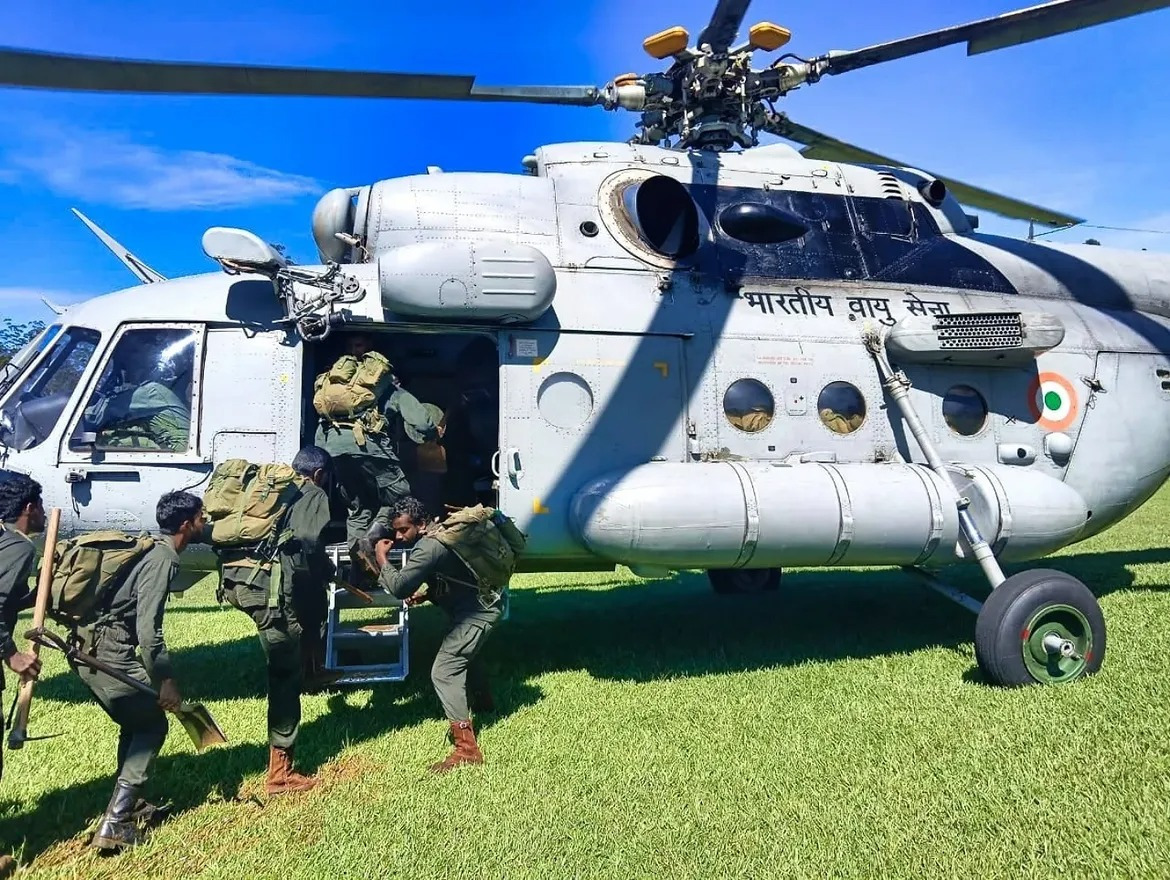 It also marked the coming of age of India’s HADR (Humanitarian Assistance and Disaster Relief) institutional capacity. India not only dealt with death and destruction in its mainland, particularly in the coastal states of Andhra Pradesh and Tamil Nadu as well as major devastation in its island territories of Andaman & Nicobar (A&N) islands but also provided speedy assistance to countries in south and south-east Asia including Sri Lanka, Maldives, Thailand and Indonesia. Simultaneously, India launched five HADR operations, two national and three international – Operation Madad (coastal south India), Operation Sea waves (A&N), Operation Castor (Maldives), Operation Rainbow (Sri Lanka) and Operation Gambhir (Indonesia). These involved the three defence services and the Indian coast guard – more than 40 ships, several transport aircraft and helicopters as well as more than 20,000 military personnel were deployed.
India’s actions led to its recognition as a credible first responder in the Indo-Pacific region. Soon thereafter, the Disaster Management Act of 2005 was adopted by the Indian parliament providing the legal and institutional framework for disaster preparedness, mitigation and response, a three-layered structure at the national, state and district level and the establishment of a dedicated force, the National Disaster Response Force (NDRF) to respond to such calamities.
The 2004 Tsunami also saw the coming together of the navies of four countries – Australia, India, Japan and the US – to coordinate the delivery of assistance in a collaborative effort that eventually evolved into the Quad.
India has handled several major natural disasters in the last few decades both in its immediate neighbourhood as well in distant lands.
In December 2014, India undertook one of its most complex humanitarian missions, Operation Neer, to supply drinking water to the Maldives after that country’s only desalination plant broke down. Indian Air Force aircraft and Indian naval ships worked round the clock to supply more than 1,500 tonnes of drinking water to the Maldives becoming the first country to respond to the request from the Maldives.
In April 2015, when a massive earthquake hit Nepal, India launched a comprehensive rescue and relief mission in the form of Operation Maitri within six hours of the initial tremors. Several thousand stranded Indians and foreign nationals were evacuated by air and land routes and hundreds of tons of essential material were delivered. Several field hospitals were set up. After the relief operations were completed, India launched a major rehabilitation and reconstruction package of around USD 2 billion for Nepal.
Following a devastating earthquake that struck Myanmar in end March 2025, India launched Operation Brahma, a huge tri-services combined with NDRF mission that supplied over 750 MT of materials and equipment including essential medicines and food aid. Field hospitals were set up in Mandalay, while engineering teams were deployed for reconnaissance and assessment of structural damage. Op Brahma was a classic whole-of-government HADR endeavour by the Government of India.
In end 2025, India provided massive support under Operation Sagar Bandhu to Sri Lanka that was hit by cyclone Ditwah. Food, equipment, medicines and other essential items were provided and more than 1000 tons of dry rations were supplied.
Beyond its immediate neighbourhood, India also responded with alacrity to requests from Turkiye and Syria when they were struck by earthquakes in 2023. Under Operation Dost, India was a first responder sending large Search and Rescue (SAR) teams of more than 250 personnel along with medical teams and dog squads to both countries as well as materials support.
In March 2019, India provided HADR to cyclone-hit Mozambique and in 2023 provided assistance to Malawi which was affected by a tropical cyclone.
Recently, on 26 June, 2026 India undertook its most ambitious HADR initiative when 30 tons of humanitarian relief materials accompanied by a 41-member team comprising experienced rescue personnel and medical professionals arrived in two C-17s to earthquake hit Venezuela.
During the Covid-19 pandemic, India supplied 300 million doses of vaccine to 99 countries and 2 United Nations entities under the Vaccine Maitri initiatives since January 2021, along with essential medicines and medical support.
For India, HADR has moved from being an episodic activity to a continuous global engagement. It is an essential feature of India’s foreign and security policy that was formally enunciated in the Security and Growth for All in the Region (SAGAR) doctrine announced by Prime Minister Modi during a visit to Mauritius in March 2015 which underpins India’s approach to the Indian Ocean Region; it became an intrinsic part of our Indo-Pacific Vision and Indo-Pacific Oceans Initiative (IPOI) announced in 2019 and evolved into the MAHASAGAR vision outlined by PM Modi in March 2025.
India’s approach is not merely reactive. It has also put in place frameworks for international cooperation in the area of prevention and mitigation through contributing towards the setting up of an international tsunami warning system as well as the launch of the Coalition for Disaster Resilient Infrastructure (CDRI). The CDRI (comprising 60 member states) works with 25 small island developing states to build disaster resilient infrastructure including schools, hospitals and homes.
By providing need-based and rapid assistance during emergencies and through its efforts to develop capacities for mutual benefit, India is seen as a reliable first responder and a force for global good.
______________________________________________________________________________________________
VIKSIT BHARAT 2047: A ROADMAP TO BECOME A DEVELOPED NATION
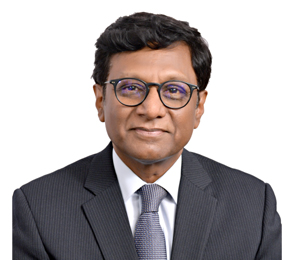
Ambassador (Dr.) Mohan Kumar
[Former Indian Ambassador to France and currently Dean/Professor at O.P. Jindal Global University]
It is creditable that the Government of India has set for itself and the nation a crucial goal: That India should become Viksit Bharat by 2047, which would be the one hundredth year anniversary of India’s independence. While there is general agreement that the term Viksit Bharat denotes a developed country, it is still necessary for public policy purposes to break the concept down to know what it entails. What follows is an attempt to do so.
A 10 trillion-dollar economy: While India can be legitimately proud of being the fourth largest economy in terms of Gross Domestic Product (GDP) in the world, the fact remains that for a population that is approaching 1.5 billion, the present GDP of $4.5 trillion is a little below par. So, if India must become “Viksit” in the real sense of the term, the GDP must grow significantly to attain the figure of at least 10 trillion dollars. This is entirely achievable if we can do a couple of things. First, 40 per cent of our GDP is foreign trade, so our share of international trade must simply double. In particular, our share of global exports, which hovers around 2 per cent, should rise to 10 per cent. Second, our Foreign Direct Investment (FDI), which for the latest year is a little short of $ 100 billion, must also grow manifold. In order for the above two things to happen, Government of India must carry out deep seated economic reforms in areas such as land, labour, power, agriculture, infrastructure and regulatory obstacles.
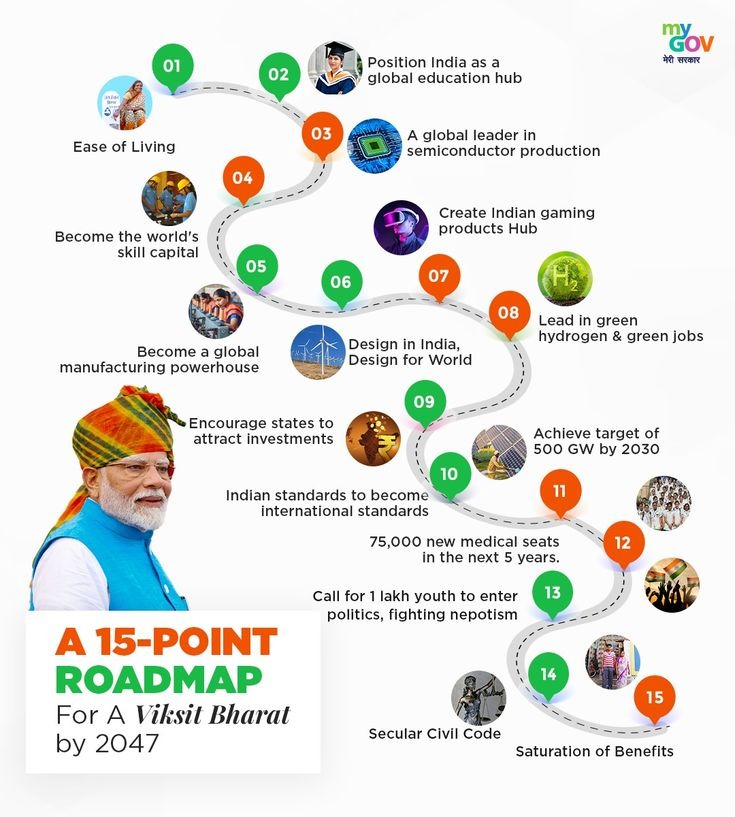
Inclusive Economic Growth: While there is no question that the GDP must accelerate, as mentioned above, that alone is not enough. Growth must be inclusive which is to say that it must percolate to the downtrodden people who are at the bottom of the pyramid. The government has conceived excellent schemes such as the Pradhan Mantri Garib Kalyan Yojana. But going beyond that, job creation for the youth must become a national mantra for both the Central and State Governments. Since it is not possible for the Government alone or even the organized sector to provide all the jobs that are necessary, it is vitally important to enable an ecosystem where the youth become entrepreneurs and job creators rather than be mere job seekers. Present levels of economic inequality are unsustainable and efforts must be made to make the society much more egalitarian.
Skilling: It is well recognized that our education system relies heavily on rote learning and it churns out thousands of graduates every year who may not be immediately employable. In this context, skilling and re-skilling of graduates becomes crucial. The idea of vocational training, industry-academic collaboration and imparting tech skills (including Artificial Intelligence) for our graduates must assume mission-mode importance. Spending on education, in both the public and private sector must increase exponentially, especially in states that lag the national average. In parallel, Research and Development must be given prime importance in all relevant institutions. It is indeed true that a population that is close to 1.5 billion can be a demographic dividend for India. But that is true only if the population is skilled enough to face the challenges of a knowledge economy.
Health: India’s healthcare system is undergoing dramatic transformation, driven by digitalization and by infrastructure expansion. But challenges remain on account of rising medical costs and a growing chronic disease burden. Government has undertaken significant efforts such as Ayushman Bharat and Ayushman Arogya Mandir schemes which have made a big impact on providing healthcare in the country. Medical college seats have more than doubled since 2014, in an attempt to bridge the doctor-patient gap. Successful attempts have also been made to promote India as a global hub for medical tourism. Despite all this, serious challenges remain. Public spending on healthcare still lags desired levels. India also runs the risk of becoming the global capital for heart disease and diabetes. India therefore needs to continue its massive transformation of public health infrastructure to make it accessible, affordable and quality-driven for the vast majority of its population. The National Health Mission is doing a commendable job. It simply needs to be strengthened and streamlined.
Sustainable Development: India must not emulate the ways of either the industrialized countries which followed a high-carbon pathway to development or indeed that of China, which even today burns more coal than the rest of the world put together. India is the only major economy today which potentially has the possibility of following a low-carbon pathway to a high-income economy based on sustainable development. And India must do it not just because the world wants it to, but because the people of this country deserve it as a matter of right.
Conclusion: India is indeed well positioned to become Viksit Bharat by 2047. But the country needs to be on mission-mode and a whole-of-government approach is required to make sure that no stone is left unturned in this national endeavour. By any reckoning, the next twenty years will be the most crucial period in India’s history.
Dr Mohan Kumar is a former Indian Ambassador to France and currently Dean/Professor at O.P. Jindal Global University. Views are personal.
__________________________________________________________