
ITEF brings StartUpTN’s Ecosystem Model to GCC


ITEF brings StartUpTN’s Ecosystem Model to GCC
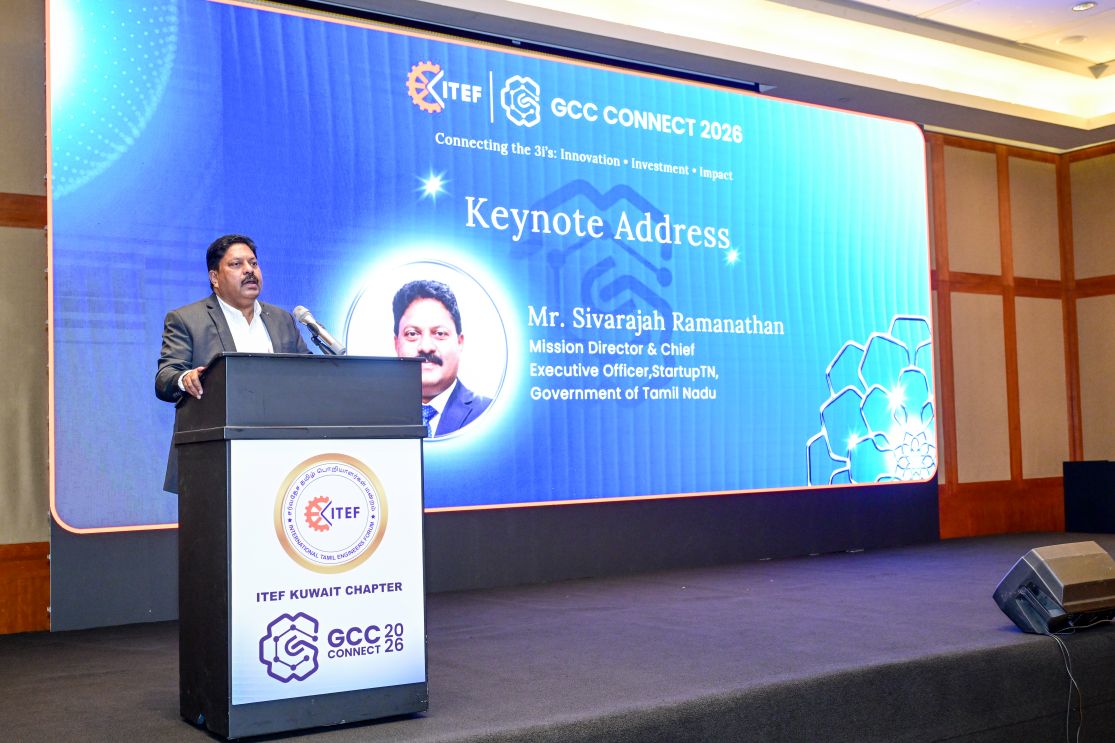
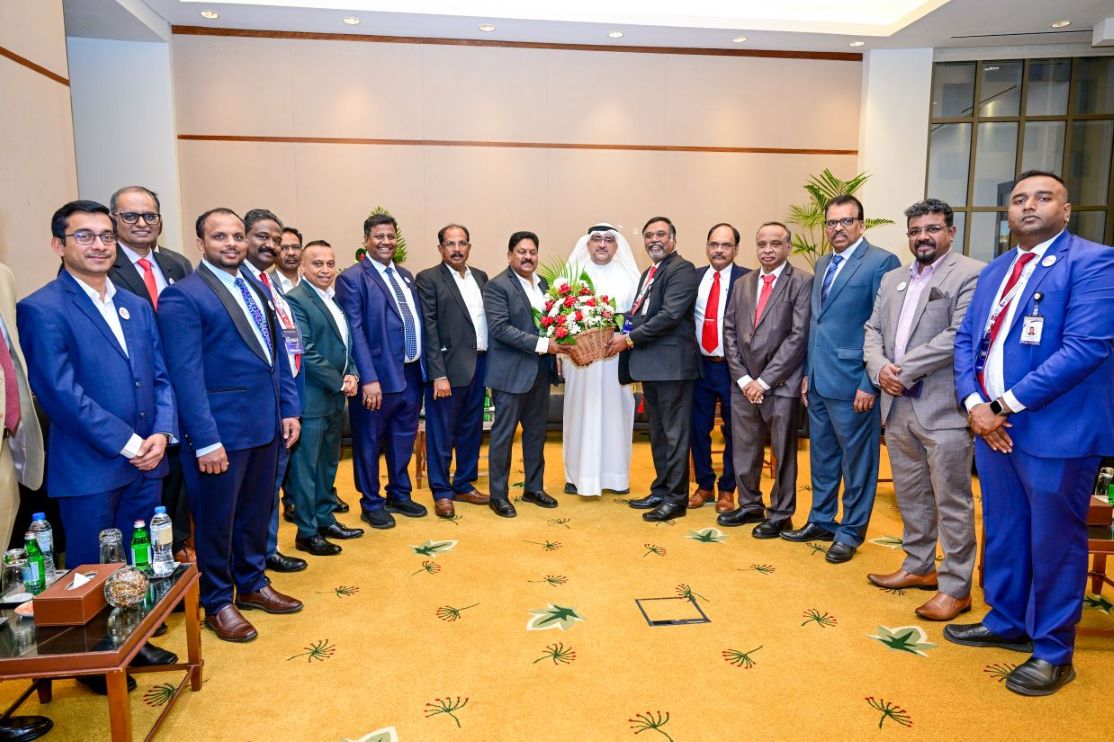 ITEF (International Tamil Engineers Forum), the One & Only Engineering Organization, which has Chapters in all GCC Countries, conducted Curtain Raiser event for GCC Connect 2026 at Jumeirah Messilah Beach Hotel, Kuwait and one of the most substantive interventions of the evening came from Mr. Sivarajah Ramanathan, Mission Director and CEO of Tamilnadu Startup & Innovation Mission (StartupTN), Government of Tamil Nadu.
His address moved beyond startup celebration and instead presented a systems-level view of how modern innovation ecosystems must evolve in an era defined by artificial intelligence, deep technology, and cross-border capital flows.
Mr. Sivarajah outlined what he described as a decisive inflection point in global entrepreneurship. For nearly two decades, startups were largely associated with digital platforms and consumer applications. That era, he noted, has matured. The present shift is toward engineering-driven transformation.
Artificial intelligence alone has attracted a significant share of global venture investment over the past two years, signalling that innovation is no longer peripheral to industrial systems but embedded within them. AI is increasingly integrated into manufacturing lines, logistics systems, infrastructure grids, and advanced research environments.
“Entrepreneurship is no longer application-centric. It is infrastructure-centric,” he observed. This evolution, he emphasized, demands deeper institutional coordination, longer capital horizons, and structured ecosystem alignment.
Positioning Tamil Nadu within this global transformation, Mr. Sivarajah highlighted the state’s structural advantages. A central theme of his keynote was the emergence of what he described as a “capital and capability corridor” between Tamil Nadu and the GCC.
Across the Gulf region, national transformation agendas are driving infrastructure modernization, industrial diversification, and digital acceleration. Sovereign capital and long-horizon investment pools are actively seeking scalable, engineering-led ventures. When such capital meets structured technical capability, a corridor begins to form. Mr. Sivarajah emphasized that this must move beyond transactional engagement. Instead of exporting startups, the objective should be co-building ecosystems. He identified three priorities for structured collaboration:
- Cross-border co-investment frameworks focused on engineering-intensive ventures
- Talent mobility acceleration enabling engineers to collaborate across regions
- Shared incubation and deep-tech platforms aligned with industrial priorities
A recurring thread in his speech was the role of institutions in sustaining cross-border innovation. “Talent without capital remains under-scaled. Capital without talent remains under-deployed. Without institutional trust, neither can move across borders with confidence,” he noted. In this context, organizations such as ITEF serve as connective infrastructure rather than event platforms. By linking diaspora engineers, industry leaders, policymakers, and capital providers, such institutions enable structured, long-term collaboration.
Mr. Sivarajah extended an open invitation for GCC-based industry leaders, investors, and ecosystem builders to engage with StartupTN in building two-way innovation flows, positioning Tamil Nadu not only as a source of engineering capability but also as a gateway to the broader Indian market.
Concluding his address, he cautioned that the next decade will not be defined by the number of startups created, but by how effectively ecosystems are integrated. “If we align ecosystems with intent and discipline, the coming decade will not simply be a period of ambition. It will be a decade of engineering execution.”
His keynote positioned GCC Connect 2026 not merely as a conference successor to ITEF’s Professional Development Conference, but as a strategic platform for shaping structured India–GCC innovation corridors in an era increasingly defined by artificial intelligence, deep technology, and capital convergence.